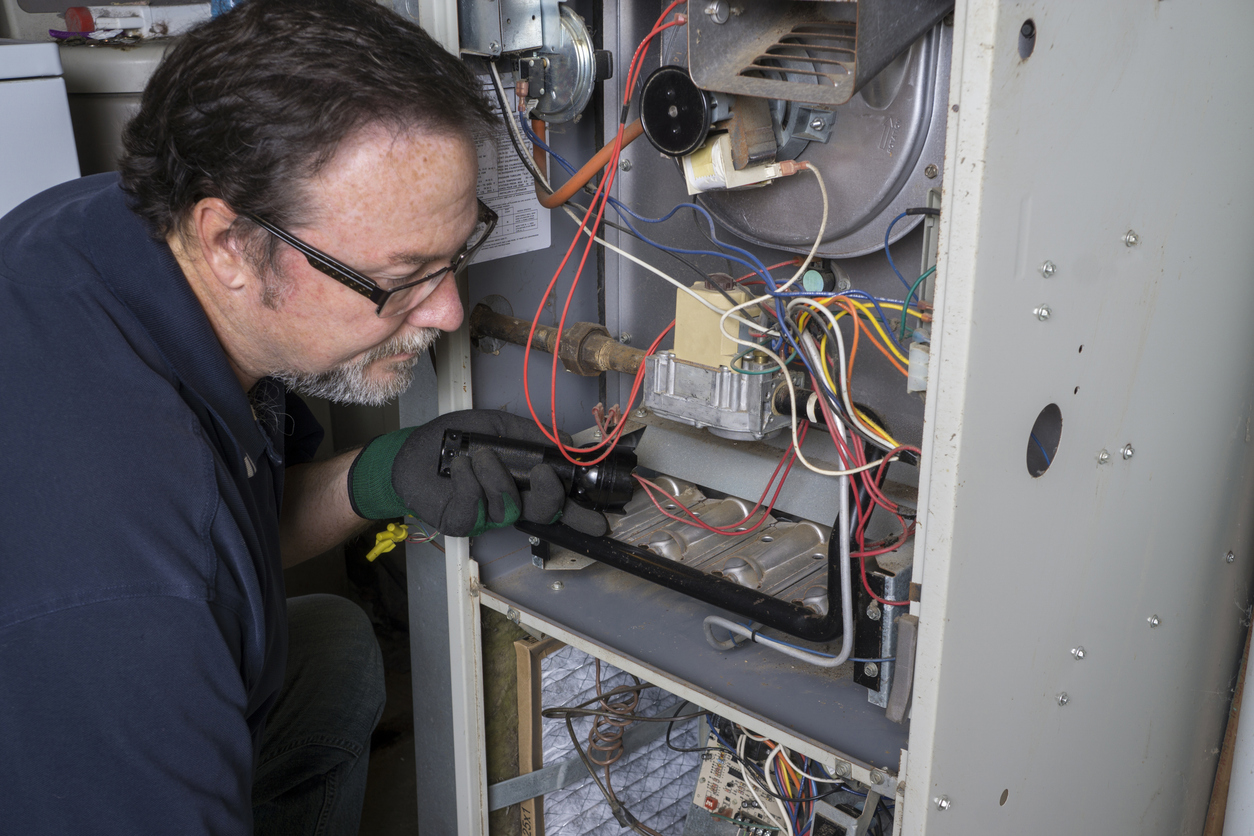
Your furnace works hard to keep your home warm during the winter, but like any mechanical system, it needs regular attention to run properly. Dust buildup, worn components, and small mechanical issues can affect how well your furnace heats your home. Without routine maintenance, these problems may go unnoticed until your heating system breaks down altogether.
Fortunately, keeping your furnace in good condition doesn’t have to be complicated. A combination of basic homeowner maintenance and professional furnace tune-ups can help reduce unexpected breakdowns, improve efficiency, and extend the life of your equipment.
In this guide, we’ll explain how often your furnace should be inspected and cleaned, what happens during a professional tune-up, and which maintenance tasks you can safely handle yourself.
How Often Should You Get Your Furnace Inspected and Maintained?
Most furnaces should be professionally inspected and maintained at least once a year, ideally in the fall before the heating season begins. This recommendation applies to both gas and electric furnaces, although the specific maintenance tasks differ depending on the equipment.
Annual maintenance gives an HVAC technician the opportunity to identify worn parts, inspect safety controls, clean important components, and check the furnace’s overall operation before you begin relying on it every day.
Scheduling your appointment in early fall also gives you time to address any necessary repairs before Missouri’s coldest weather arrives.
Do New Furnaces Need Annual Maintenance?
Yes. Even a newer furnace benefits from annual maintenance, just like a new car still needs routine oil changes.
Although newer equipment is less likely to have age-related problems, components can still become dirty, electrical connections may loosen, and airflow can be affected.
Many furnace manufacturers also specify regular maintenance requirements in their warranty documentation. Following those requirements and keeping service records can ensure you maintain valid warranty coverage.
Do Gas and Electric Furnaces Have Different Maintenance Requirements?
Both gas and electric furnaces generally benefit from annual professional service, but technicians focus on different components for each.
Gas furnace maintenance includes checking the ignition system, burners, flame sensor, heat exchanger, and combustion venting. These inspections are particularly important because gas furnaces burn fuel to generate heat.
Electric furnace maintenance focuses on heating elements, sequencers, electrical connections, safety controls, and airflow.
Regardless of which type you have, the blower motor, air filter, and thermostat also need attention.
How Often Should a Furnace Be Cleaned?
A furnace should receive professional cleaning as needed during its annual maintenance appointment, while its air filter should typically be checked every month and replaced according to the manufacturer’s recommendations.
Here’s a general guide:
| Furnace Component | Recommended Frequency |
| Air filter | Check monthly; replace or clean as recommended, often every 1–3 months |
| Burners and flame sensor | Inspect annually; clean when necessary |
| Blower assembly | Inspect annually; clean based on buildup |
| Heat exchanger | Inspect annually on gas furnaces |
| Condensate drain, if equipped | Inspect during annual maintenance and clean as needed |
| Entire furnace system | Professional inspection and tune-up once a year |
These are general guidelines. The manufacturer’s maintenance instructions should take priority, especially if your equipment has special requirements.
What Happens If You Don’t Clean Your Furnace?
Dust and debris can interfere with airflow and the operation of certain furnace components.
For example, a clogged air filter restricts the amount of air moving through the system. This can cause the furnace to overheat and trigger its high-temperature safety limit, shutting off the burners or heating elements.
Dirt buildup on the blower assembly can also affect airflow. On gas furnaces, contamination around the flame sensor may interfere with flame detection and cause the system to shut down unexpectedly.
Regular cleaning helps prevent these problems.
What Does a Professional Furnace Tune-Up Include?
A professional furnace tune-up is more than a quick lookover. It’s a thorough inspection of the heating system’s mechanical, electrical, and safety-related components.
The exact tasks involved depend on the type of furnace, its age, and the manufacturer’s recommendations.
Inspecting and Cleaning Heating Components
For gas furnaces, technicians inspect the burners, ignition system, and flame sensor. If dirt or buildup is affecting operation, they may clean the appropriate components.
Electric furnaces require inspection of heating elements and their electrical controls.
Technicians also look for signs of damage, corrosion, overheating, or other conditions that may require repairs.
Checking the Heat Exchanger and Venting
On gas furnaces, the heat exchanger separates combustion gases from the air circulating through your home.
A damaged heat exchanger can create serious safety concerns, so technicians inspect it for visible deterioration or other signs of trouble using appropriate procedures.
They also examine the furnace’s exhaust venting and related components to help ensure combustion gases are being directed outdoors properly.
Testing Electrical Connections and Safety Controls
Your furnace relies on electrical components to start, operate, and shut down safely.
During maintenance, technicians may inspect wiring, test relevant electrical components, and verify the operation of safety controls such as limit switches.
These checks can reveal problems that aren’t immediately noticeable during normal heating.
Inspecting the Blower Motor and Airflow
The blower motor moves heated air through your home’s ductwork.
A technician may inspect the blower assembly, check for excessive dirt buildup, and evaluate airflow. Restricted airflow can contribute to overheating, uneven temperatures, and unnecessary strain on the system.
Checking Thermostat Operation
The thermostat tells your furnace when to start and stop heating.
During a tune-up, technicians verify that the furnace responds properly to thermostat settings and completes heating cycles normally.
If the thermostat isn’t communicating correctly with the furnace, the technician can investigate the cause.
Can You Perform a Furnace Tune-Up Yourself?
You can handle some basic furnace maintenance yourself, but a complete furnace tune-up should only be performed by a trained HVAC technician.
Furnace Maintenance Tasks You Can Do Yourself
There are several simple ways to help keep your heating system in good condition between professional appointments.
- Check and replace the air filter: Inspect your filter monthly and replace or clean it according to the manufacturer’s instructions.
- Keep supply and return vents clear: Make sure furniture, rugs, and other objects aren’t blocking airflow.
- Check thermostat settings: Confirm that your thermostat is set to HEAT and that the programmed temperature settings match your preferences.
- Keep the area around your furnace clear: Avoid storing boxes, cleaning chemicals, or combustible materials near the equipment.
- Monitor furnace performance: Pay attention to unusual noises, frequent cycling, or changes in heating performance.
If your furnace has accessible outdoor intake or exhaust openings, you can also visually check that they aren’t blocked by snow, leaves, or other debris. Don’t dismantle or modify venting components yourself.
Furnace Maintenance Tasks Best Left to Professionals
Many furnace maintenance tasks require specialized tools and training. These include inspecting gas connections, servicing ignition components, testing electrical circuits, examining heat exchangers, checking combustion performance, and adjusting furnace controls.
Attempting these tasks without proper training can damage your equipment or worse—create fire, electrical, or carbon monoxide hazards.
What Are the Benefits of Regular Furnace Maintenance?
Annual furnace maintenance is a relatively simple way to protect an important investment in your home:
Fewer Unexpected Breakdowns
A furnace inspection can reveal worn components, loose connections, and other developing issues before they cause a heating failure. While maintenance can’t prevent every breakdown, addressing problems early may reduce the chance of suddenly losing heat during cold weather.
Better Heating Efficiency
Dirty components and restricted airflow can make a furnace work harder than necessary. Cleaning the appropriate components and checking system operation can help maintain efficiency. Actual energy savings depend on the furnace’s condition and whether maintenance corrects an existing problem.
Longer Equipment Life
Most furnaces last approximately 15 to 20 years, although their actual lifespan varies based on equipment quality, installation, usage, and maintenance. Regular service helps reduce unnecessary wear and may allow your furnace to operate reliably for longer.
Improved Safety
For gas furnaces, annual inspections are especially important because the system uses combustion to generate heat.
Checking the heat exchanger, venting, ignition components, and safety controls can help identify potentially hazardous conditions. Every home with fuel-burning equipment should also have properly installed and functioning carbon monoxide alarms.
Is a Furnace Maintenance Plan Worth It?
A furnace maintenance plan can be worth it for homeowners who want to stay on top of routine heating maintenance while keeping service costs lower and more predictable. These plans typically include scheduled tune-ups and may offer additional benefits, such as repair discounts or priority scheduling, depending on the provider.
If you plan to have your furnace serviced every year anyway, a maintenance plan may be a convenient and cost-effective option. However, it’s worth comparing the membership cost with the services and benefits included.
Schedule Furnace Maintenance in Columbia, MO, With MasterTech
The best time to take care of your furnace is before something goes wrong. With regular maintenance, you can catch developing problems, keep your heating system operating properly, and feel more confident heading into another Missouri winter.
MasterTech Plumbing, Heating and Cooling has served Columbia and the surrounding Mid-Missouri communities since 1991. Our locally owned and operated company brings over 35 years of experience to residential heating and cooling services. We’re also a Bryant Factory-Authorized Dealer, a BBB Accredited Business with an A+ rating, and Google Guaranteed.
Call MasterTech Plumbing, Heating and Cooling at (573) 777-3660 today to schedule professional furnace maintenance.
Frequently Asked Questions About Furnace Maintenance
Yes. Most furnace manufacturers recommend professional maintenance at least once a year. Annual service helps identify worn components, maintain proper operation, and check important safety features. It may also be required under your manufacturer’s warranty terms.
Fall is generally the best time to schedule furnace maintenance because it prepares your heating system for winter. However, if you missed your fall appointment, it’s still worthwhile to have your furnace inspected later in the season rather than skipping maintenance entirely.
A typical furnace tune-up takes approximately one to two hours, although the appointment may be shorter or longer depending on the equipment, its condition, and the maintenance tasks required. Additional repairs may require more time.
Yes. A severely clogged air filter can restrict airflow enough to cause a furnace to overheat and activate its high-temperature safety limit. This may cause the burners or heating elements to shut off. Replacing a dirty filter may resolve some airflow-related problems, but recurring shutdowns should be inspected by a technician.