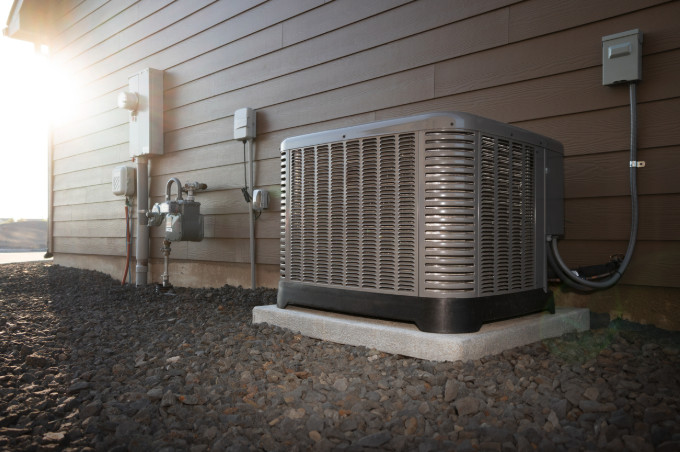
Your heating and cooling system works hard to keep your home comfortable throughout the year. Like any major appliance, though, it will not last forever. As your system ages, it can become less efficient, require more repairs, and struggle to maintain consistent temperatures.
If you’ve been wondering when to replace heating and air conditioning equipment, you’re not alone. Many homeowners are unsure whether another repair is worthwhile or if investing in a new system is the smarter choice.
In this guide, we’ll discuss the signs it’s time for a replacement, the average lifespan of HVAC equipment, and the benefits of upgrading to a modern, energy-efficient system.
How Long Do Heating and Air Conditioning Systems Last?
The lifespan of an HVAC system depends on several factors, including maintenance, usage, and installation quality.
On average, HVAC systems generally last 10-20 years. Air conditioners will typically fail before furnaces do.
Regular maintenance can help extend the life of your equipment, but even well-maintained systems eventually become less reliable and more expensive to operate.
If your HVAC system is approaching or exceeding these averages, it may be time to start thinking about replacement before a major breakdown occurs.
Frequent Repairs Are Becoming Expensive
Every HVAC system needs occasional repairs, but frequent service calls are often a sign that the system is nearing the end of its lifespan.
If you find yourself calling for repairs every season, those costs can quickly add up. In many cases, replacing an aging system is more cost-effective than continuing to invest in repairs.
A new heating and cooling system can provide greater reliability and help you avoid unexpected breakdowns.
Your Energy Bills Keep Increasing
Older HVAC systems typically lose efficiency as they age. Components wear down, airflow becomes restricted, and the equipment has to work harder to maintain your desired temperature.
Modern HVAC systems are designed with improved technology that allows them to operate more efficiently, helping you reduce your monthly energy costs.
Uneven Temperatures Throughout Your Home
Uneven temperatures can indicate that your heating and cooling system is no longer distributing air effectively. While ductwork issues can sometimes contribute to this problem, an aging HVAC system is often part of the issue.
Replacing outdated equipment can improve airflow and provide more consistent comfort throughout your home.
Your Home Never Feels Comfortable
One of the biggest signs of when to replace heating and air conditioning equipment is when your home simply never feels comfortable.
You may notice:
- The system runs constantly.
- Certain rooms never reach the desired temperature.
- Indoor humidity feels too high or too low.
If your HVAC equipment cannot keep up with your comfort needs, replacement may provide a better solution.
Strange Noises or Unusual Smells
Heating and cooling systems should operate relatively quietly.
If you begin hearing banging, grinding, rattling, or squealing noises, worn components may be causing mechanical issues. Likewise, burning smells, musty odors, or unusual airflow can indicate problems that should be inspected by a professional.
While some issues can be repaired, persistent problems often point to aging equipment.
Your System Uses Outdated Technology
HVAC technology has advanced significantly over the past decade.
Today’s systems offer benefits such as:
- Improved energy efficiency
- Quieter operation
- Better humidity control
- More consistent temperatures
- Smart thermostat compatibility
Upgrading your heating and cooling system allows you to take advantage of these improvements while increasing your home’s overall comfort.
Repair or Replace?
Repair may make sense if:
- The system is relatively new (under 10 years old).
- The repair is minor.
- The equipment has been well maintained.
- The equipment is under warranty.
Replacement may be the better option if:
- The system is over 10 years old.
- Repairs are becoming frequent.
- Energy bills continue to rise.
- Your home is no longer comfortable.
- Major components have failed.
A professional inspection can help determine which option provides the best long-term value.
Benefits of Replacing Your HVAC System
Installing a new heating and cooling system offers more than just dependable performance.
Homeowners often experience:
- Lower monthly energy bills
- Improved indoor comfort
- Better indoor air quality
- Quieter system operation
- Greater reliability
- Fewer repair costs
Remember: Professional Installation Matters
Choosing the right equipment is only part of the process. Professional installation plays a major role in how well your new HVAC system performs.
Proper sizing, careful installation, and thorough system testing all contribute to better efficiency, longer equipment life, and more reliable operation.
Working with an experienced HVAC contractor helps ensure your investment delivers the comfort and performance you expect.
Schedule Your HVAC Replacement Consultation Today
If you’re wondering when to replace heating and air conditioning equipment, the experienced team at MasterTech Plumbing, Heating and Cooling is here to help. We’ll evaluate your current system, explain your options, and provide honest recommendations based on your home’s needs and your budget.
Whether your system needs a repair or it’s time for a replacement, you can count on our team to deliver dependable service and quality workmanship.
Call (573) 777-3660 today to schedule your heating and air conditioning consultation with MasterTech Plumbing, Heating and Cooling.